Egypt IMF Deal 2026: The $1.6 Billion Foreign-Exchange Test
Egypt and IMF staff reached a new agreement on 30 June 2026 that could unlock an additional $1.6 billion in financing. The headline figure is significant, but it is a staff-level agreement rather than approved and disbursed funding — a distinction that matters for investors assessing Egypt's external position. The more important question is not whether the tranche arrives, but whether the conditions attached to it are producing a foreign-exchange market that functions normally for private firms and individuals. Temporary liquidity and durable market access are not the same thing.
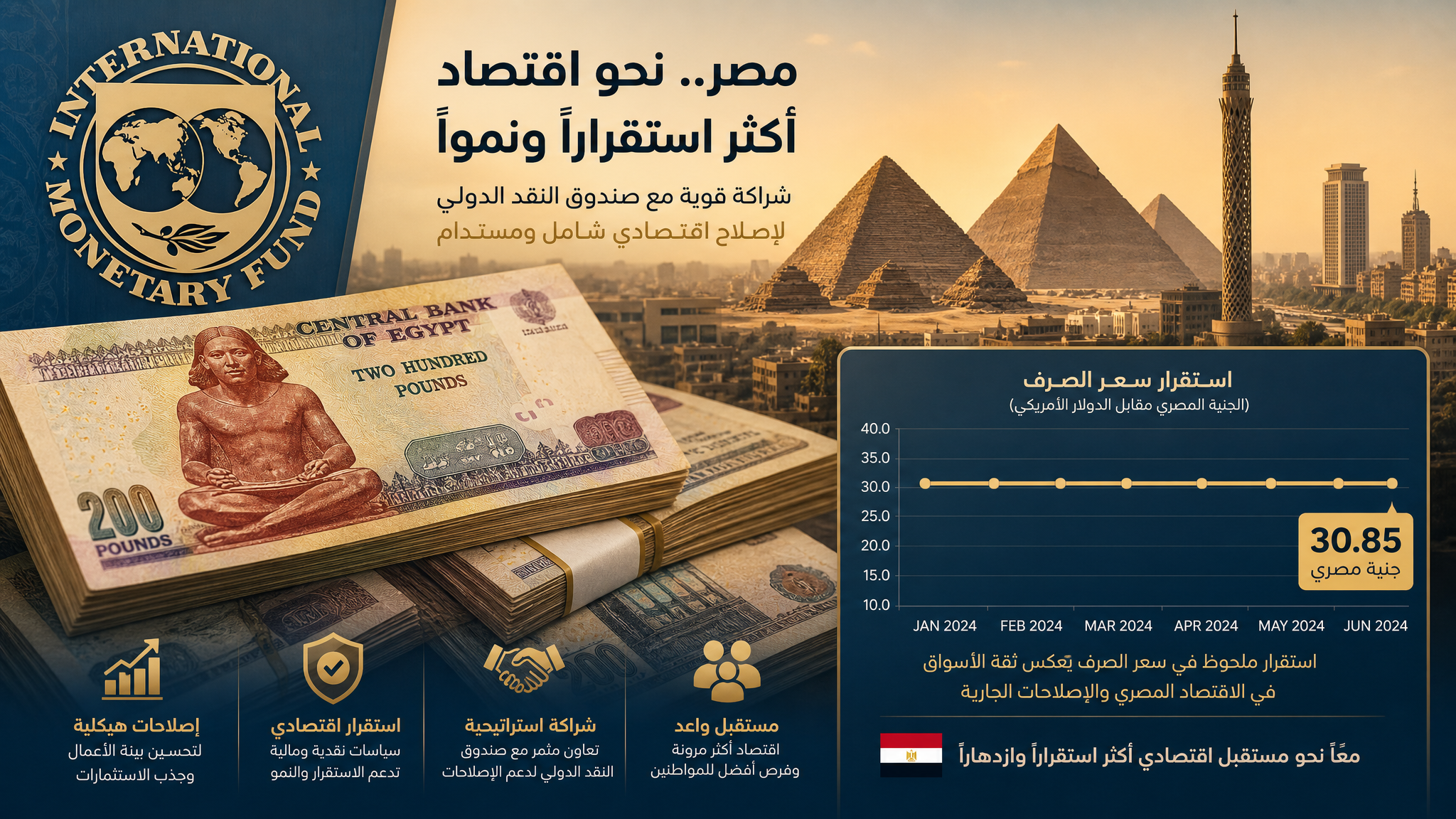
The Program Timeline
The February 2026 completion of the fifth and sixth program reviews made approximately $2.3 billion available to Egypt: $2 billion from the main 46-month IMF program and $273 million through the Resilience and Sustainability Facility. Total funding under the cited programs reached approximately $5.2 billion at that point. The 30 June staff-level agreement represents the next step in the program sequence, subject to the remaining approval process.
IMF assessments cited notable improvement in Egypt's foreign-exchange reserves and inflation following earlier program milestones. Program conditions have consistently emphasized exchange-rate flexibility and the availability of foreign exchange to private firms and individuals — a focus that reflects the practical reality that headline reserve figures mean little if businesses cannot access currency at market rates without administrative bottlenecks or rationing.
The Foreign-Exchange Access Test
Exchange-rate flexibility is the central operational test of Egypt's reform program. Earlier IMF commitments included removing caps on non-priority imports and individual transfers abroad — measures designed to reduce the parallel-market premium and restore confidence that the official rate reflects genuine supply and demand. When exchange-rate flexibility is maintained, it reduces the incentive for parallel-market activity and allows businesses to plan with greater certainty about their foreign-currency costs.
The practical question for import-dependent companies and multinationals operating in Egypt is whether they can obtain foreign exchange at the official rate without delays or administrative restrictions. A tranche disbursement adds to the central bank's reserve buffer, but it does not automatically resolve the market-function question. If businesses continue to face rationing or parallel-market premiums, the reform program has not yet achieved its primary objective, regardless of the headline financing amount.
Inflation and the Policy Trade-Off
The IMF has encouraged Egypt to maintain tight monetary policy to control inflation risks associated with subsidy reforms, including fuel and electricity price adjustments. Subsidy reform is a necessary component of fiscal consolidation, but it creates short-term inflationary pressure that can undermine the real purchasing power of households and increase the cost of doing business. The policy trade-off is between the fiscal savings from reduced subsidies and the inflationary consequences of higher administered prices.
Tight monetary policy can contain second-round inflation effects, but it also increases borrowing costs for businesses and the government. Egypt's debt-service burden is a significant fiscal constraint, and higher interest rates add to that burden. The IMF's emphasis on monetary discipline reflects the standard program framework, but it creates a genuine tension between inflation control and growth support that Egyptian policymakers must navigate.
Liquidity Versus Structural Reform
The distinction between temporary liquidity and structural reform is the most important analytical framework for assessing Egypt's IMF program. A disbursement improves the central bank's reserve position and signals international credibility, but it does not change the underlying fiscal or monetary dynamics that created the external imbalance in the first place. Structural durability requires that monetary and fiscal policy prevent new inflation and external imbalances from eroding the benefit of the financing.
Egypt has made measurable progress on several program benchmarks, and the IMF's willingness to complete successive reviews reflects that progress. But the history of IMF programs in emerging markets shows that reform momentum can slow after the immediate financing pressure is relieved. The 30 June staff agreement is a positive signal, but investors should monitor implementation rather than treating the headline tranche as evidence of completed reform.
An Investor Checklist
For investors in Egyptian sovereign and quasi-sovereign credit, import-dependent companies or multinationals with Egyptian operations, four indicators are most worth monitoring. First, the timing and amount of the actual IMF disbursement following the staff-level agreement — the approval process has not yet been completed. Second, verified official reserve data, which the IMF assessments have cited as improving but which were not independently confirmed at the time of writing. Third, evidence that private firms and individuals can obtain foreign exchange at the official rate without rationing or significant delays. Fourth, the trajectory of inflation following subsidy and administered-price adjustments, which will determine whether tight monetary policy is sufficient to contain second-round effects.
The real milestone for Egypt's external stabilization is not the $1.6 billion headline figure — it is the point at which usable foreign-exchange access becomes routine rather than exceptional. That milestone requires sustained policy implementation, not just successive program reviews.
This content is for informational purposes only and does not constitute financial advice. Always consult with a qualified financial advisor before making investment decisions.
Discussion